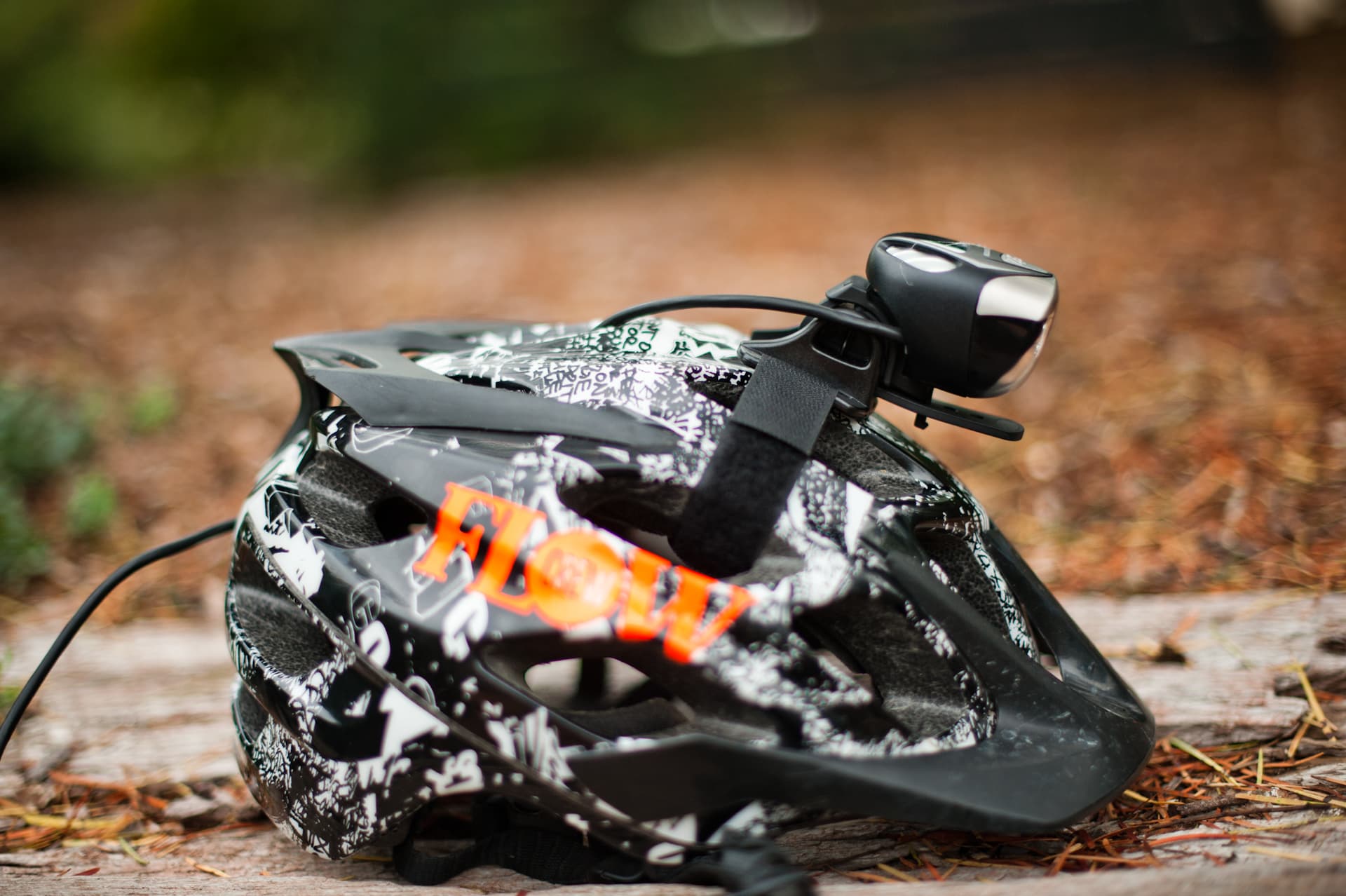
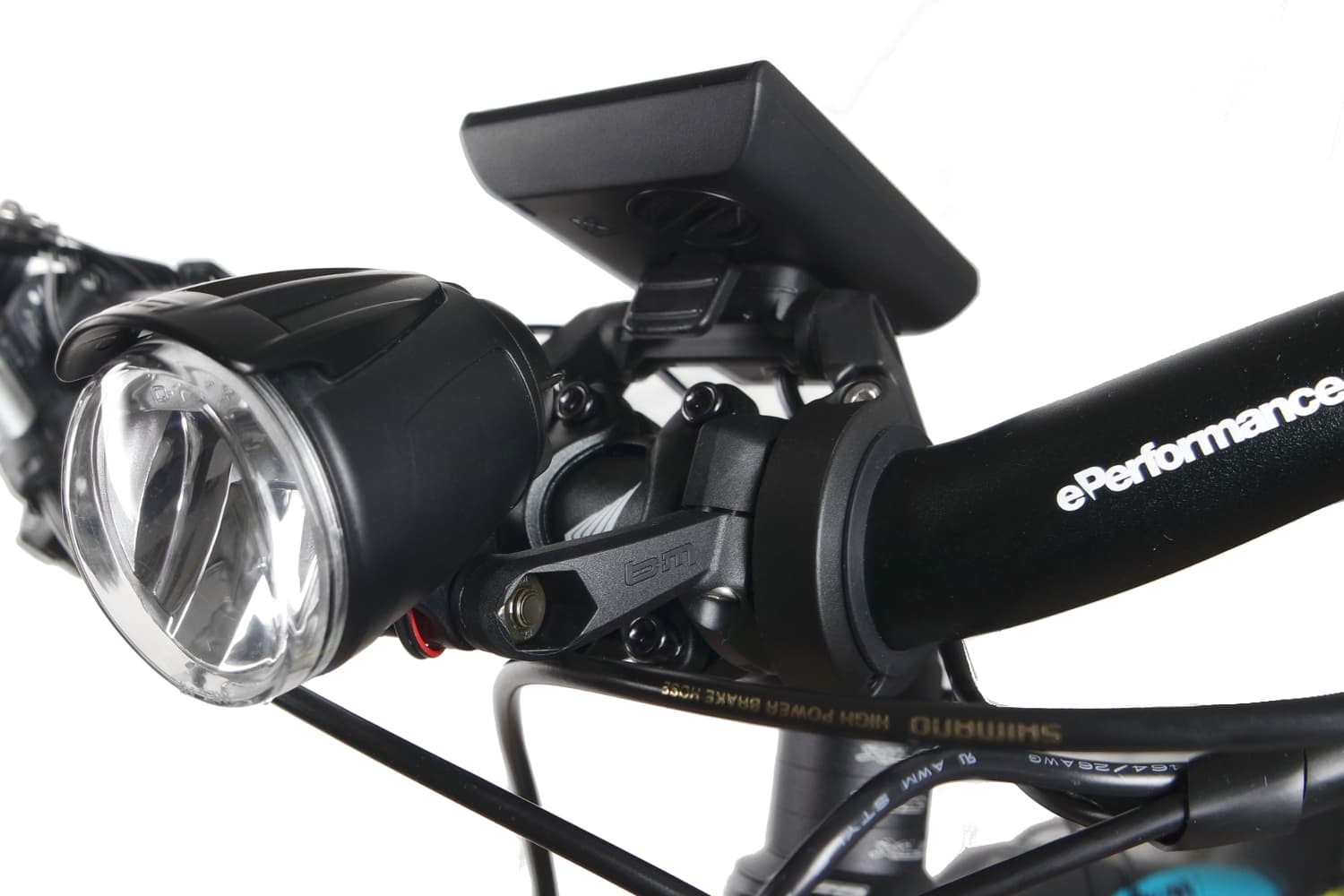
Headlights - Handlebar vs Helmet

bar mounted option is more popular

but it is not necessarily better. rather every bike has a handlebar but not every rider wears a helmet, so naturally there will be more handlebar lights than helmet lights.

on other hand helmet lights:

are less common but actually provide better illumination ( IMO )

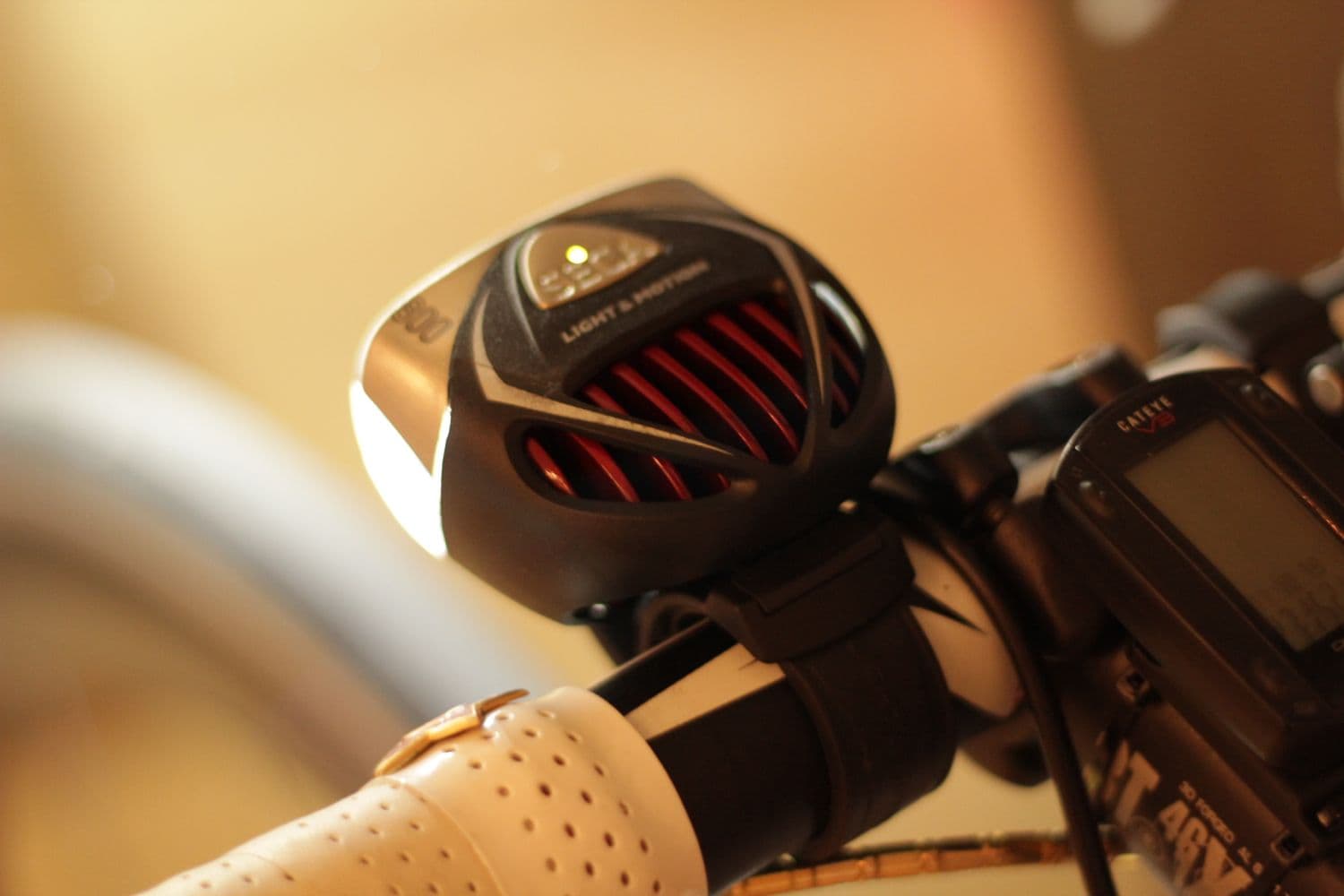
the one pictured above is Seca by Light and Motion and is actually the one i used to run back when i was cycling. those are very expensive but they make it feel like you’re driving a car with the kind of illumination they provide.

the Seca is actually designed to mount to the handlebar but has accessories that let you mount it to the helmet - if you look at the image above you see the way it mounts to the helmet is you install a tiny fake handlebar on the helmet first and then mount the light to it.

so most lights can be mounted either to bar or helmet but are not equally well suited for both duties - we will discuss this in detail below …

when i searched for images to embed into this article i came across some lights i used to have ( but returned ) which reminded me of my journey from the start of my research into lights to the final configuration i ended up being happy with …

most people believe in starting with something cheap and then working their way up to better stuff but i am the type of person who likes to start with the best from the get go - why waste time on “upgrades” when you can just start with the best ?

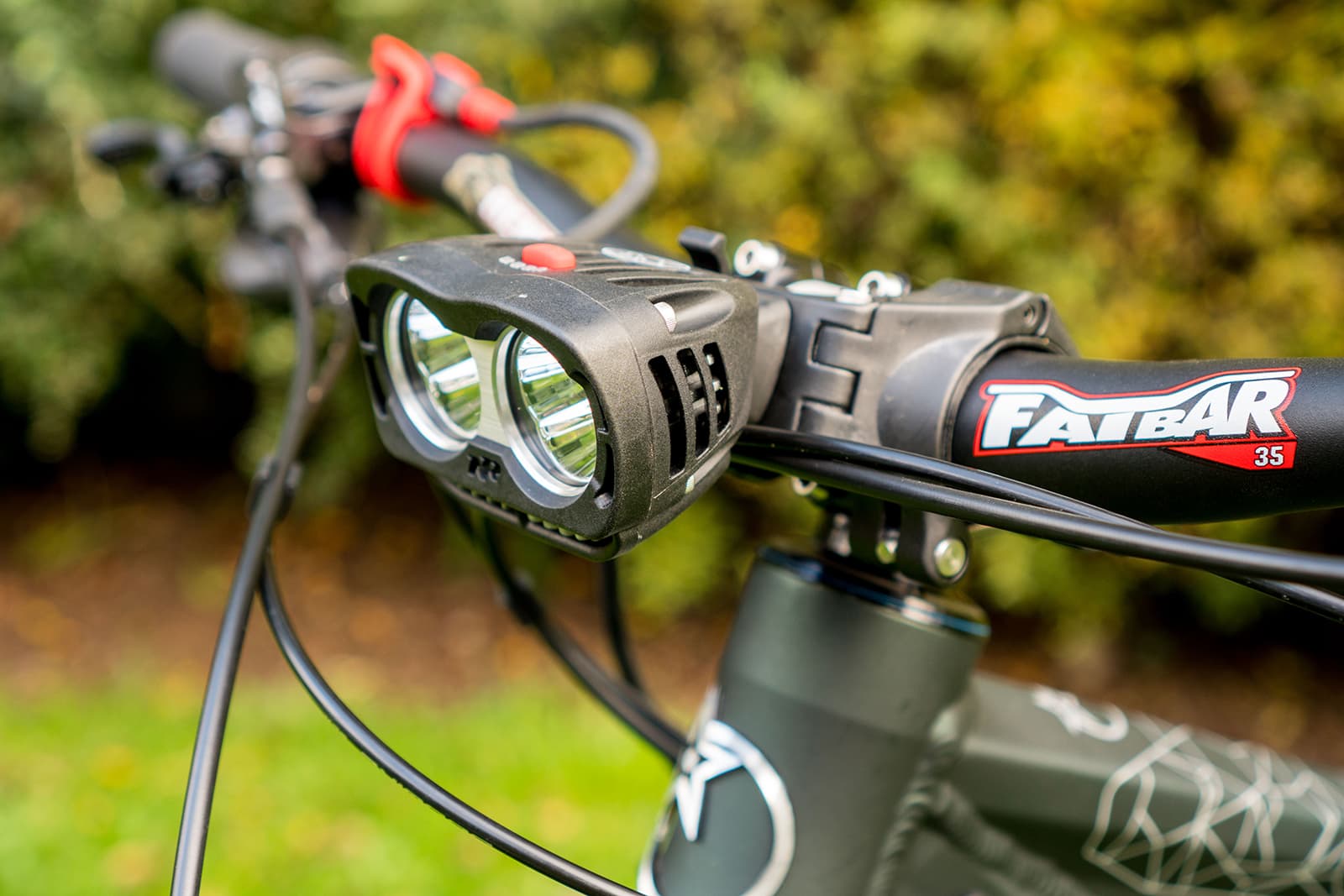
so my 1st light was actually the most powerful and most expensive light on the market: NiteRider Pro:

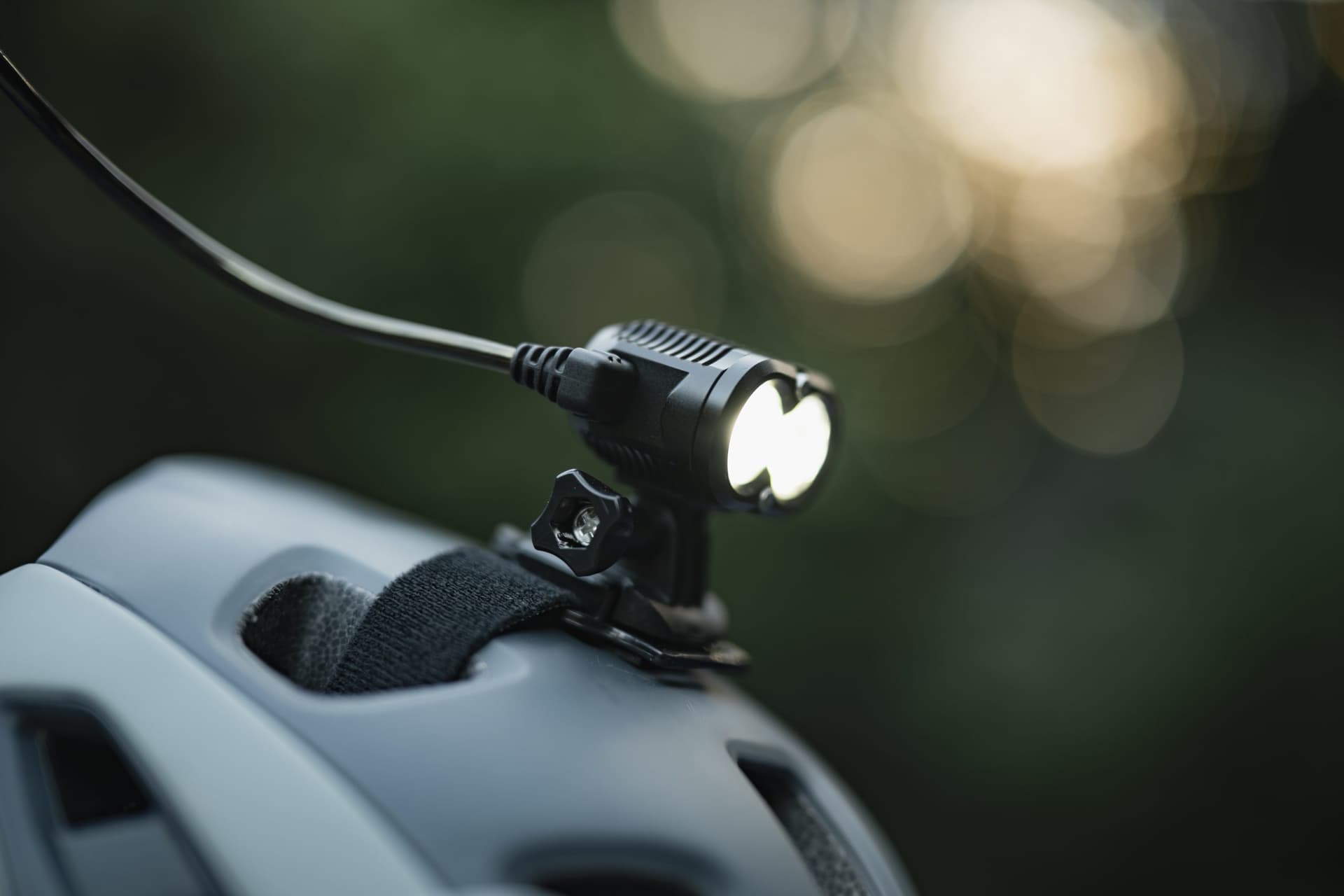
and that was on the handlebar, while on the helmet i had a light that looked like this:

it wasn’t this particular bootleg light though. it was some kind of overpriced German light because you know - i have to have everything made in Germany, and it was the highest-end brand on the market at the time ( the German one, not the Gloworm brand pictured ) but it was certainly NOT their most powerful light - rather it was the smallest, and as such wasn’t even that expensive. i can’t recall the name of the company now because i returned it and they don’t seem to be around anymore.

the NiteRider was ULTRA powerful - people were shocked to see its power - but it ran very hot and was not very useful because it just blinded everybody and i ended up not using it at full power. i realized then it was meant for bike trails not for city riding. the tiny helmet light on other hand just didn’t do anything once the NiteRider was blasting and was superfluous in that sense.

let’s call the tiny light “gloworm X2” because that’s the one actually pictured ( though my light was something else ). the reason i originally went for NiteRider Pro + Gloworm X2 type setup is because that’s what my research suggested would be best. i was told i want a powerful light with wide beam on the bar and a small light on the helmet that has a focused beam can be aimed.

that was indeed good advice … FOR TRAIL RIDING !

but that doesn’t work in the city at all because you just blind everybody !

i ended up returning the “gloworm X2” because it wasn’t a serious light and also returning the NiteRider and replacing it with a pair of Light and Motion Seca.

at the time the NiteRider pro was the most expensive light on the market and Seca the second most expensive ( among US brands anyway - the aforementioned German company certainly had more expensive ones. i think the NiteRider was $500 and Seca $300 each while the German brand went up to like $800 for their top lamps or something, but my little one was $200 i think ). I find it incredible that something like 15 years later both lights are still available ( in updated variants obviously ) and still are almost as expensive as they used to be at the beginning of the LED revolution.

so anyway i had two secas one on each side of the stem mounted to the handlebar and they provided a beam pattern more suitable to the street than NiteRider in that it was a bit more forward focused whereas NiteRider was just throwing light everywhere, which was more suitable for twisty trails than straight road. the Seca also had a smoother spill on the ground than NiteRider that was throwing rings. All in all the Seca was a more high end product. the NiteRider was just brute force while the Seca was finesse but still with plenty of punch. Think of NiteRider as Dodge Viper and Seca as Porsche 911. It was a good upgrade.

but it didn’t fully solve the issue inherent to handlebar mount - you can’t illuminate far and wide without blinding everybody on the road.

i then moved both my Secas to the helmet, which made the helmet extremely unbalanced in weight, but the ability to AIM the light was worth the discomfort. if you see somebody approaching you can just slightly tilt your head away from them and not blind them as much, then if you want to see something at a distance you slightly raise your head and aim the light there and so on.

the Seca being a precision designed instrument clearly meant for handlebar mount though had a calibrated amount of downward spill to illuminate the ground so when i raised them up to the helmet level ( which is 2X height of handlebar ) they no longer provided enough spill to properly illuminate the ground … to fix this i purchased a new handlebar light, but this time with the focus not on power, but on beam pattern making sure it doesn’t blind anybody ( since it can’t be turned away from any oncoming traffic ).

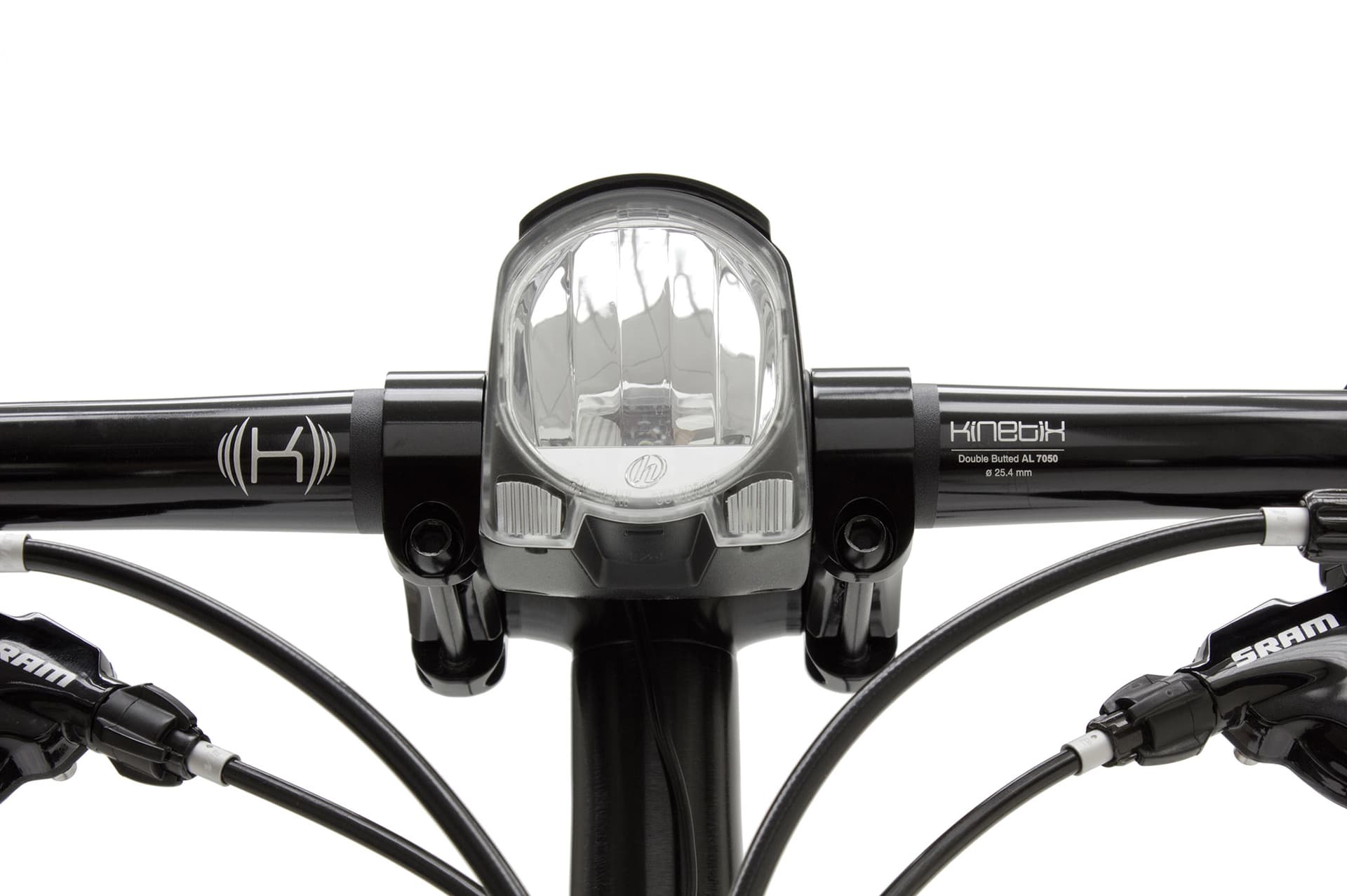
it was this type of light:

my actual light was made in Taiwan but it was similar to the German ones like this Lumotec except that rather than being a Dynamo based system it was Lithium. Germans seemed obsessed with Dynamos and i wanted to stick with Lithium, but beam-wise it was basically identical. I think mine also had more power than Dynamo Germans though i will never know for sure as i never had a Dynamo.

anyway, this type of reflector is specifically designed to avoid blinding people on the road and that’s what i knew i needed for my handlebar light. it is the same kind of reflector most modern cars use in the headlights - namely it has a sharp cutoff above horizontal level to avoid blinding oncoming traffic while illuminating the ground only.

this type of light only has a fraction of the power of the Seca but i only needed it to augment the spill of the Seca which used to be adequate when Seca was low on the handlebar but became insufficient with Seca high on the helmet.

think of Lumotec as Low-Beam in a car and Seca as the high-beam in a car.

the final setup with two Secas on the helmet and one ( let’s call it Busch & Muller Lumotec even though it was actually something else made in Taiwan ) worked pretty great, except the helmet was very unstable from the weight of two Secas on it.

now what would i do if i was doing it all over again ?
if i was doing it all over again i would basically do it the same way as what i ended up with in the end except instead of two Secas i would use a single light that was a bit less in weight. recall i originally bought two secas for the handlebar where weight was a non-issue. i also originally chose Seca due to well shaped beam pattern which was important on handlebar but on the helmet you don’t need such a sculpted beam - you can just use a round beam lamp since you can always aim it where you need it.

a round lamp is easier to find with an aluminum body that makes heat dissipation more efficient. i didn’t want a plastic body lamp like Seca but i had no choice because aluminum lamps didn’t have the same kind of sculpted beam that you want on a handlebar ( recall i originally got Seca for the handlebar ). the upside with plastic lamp is you can adjust it without burning your fingers.

so there are cons and pros but on the helmet i would prioritize weight over a sculpted beam or ability to adjust the light without burning my fingers, which means a round machined aluminum light with a round beam that is well focused for a long throw and limited spill for better control by turning your head.

as for the handlebar i would keep it exactly as it was with the Lumotec type light that provides good soft wide illumination in front of the bike without blinding anybody. then if you need to see further you just aim your helmet light there.

Almost forgot - if you can only have one headlight it should be the Helmet light, not only because you can control it, but also because it will allow you to see branches of trees before they go into your eye.

a bar light will make tree branches invisible.

on other hand a bar light is useful in that it makes you more easily identifiable as a bicycle. a helmet light looks more like a person walking with a flashlight in that it keeps turning in random directions as you move your head just as a flashlight turns in different directions as you walk.

a bar light always points straight ahead which is what people expect from a bicycle.

for maximum safety you want to both be noticed and correctly identified as a bicycle. though the most effective way to let everybody know you’re a bicycle is something on the wheels that rotates in circles - only a bicycle can create that pattern so that takes the guesswork out for anybody on the road as to what they’re looking at and the reason why you absolutely must have those.

those rotating lights on the wheels will also let car drivers judge your speed as well, all making you safer.